
Ragi Laddoo: From Temple Offerings to Your Teacup — The Story Behind Our Laddoos
Key highlights
- A laddoo is an edible memory.
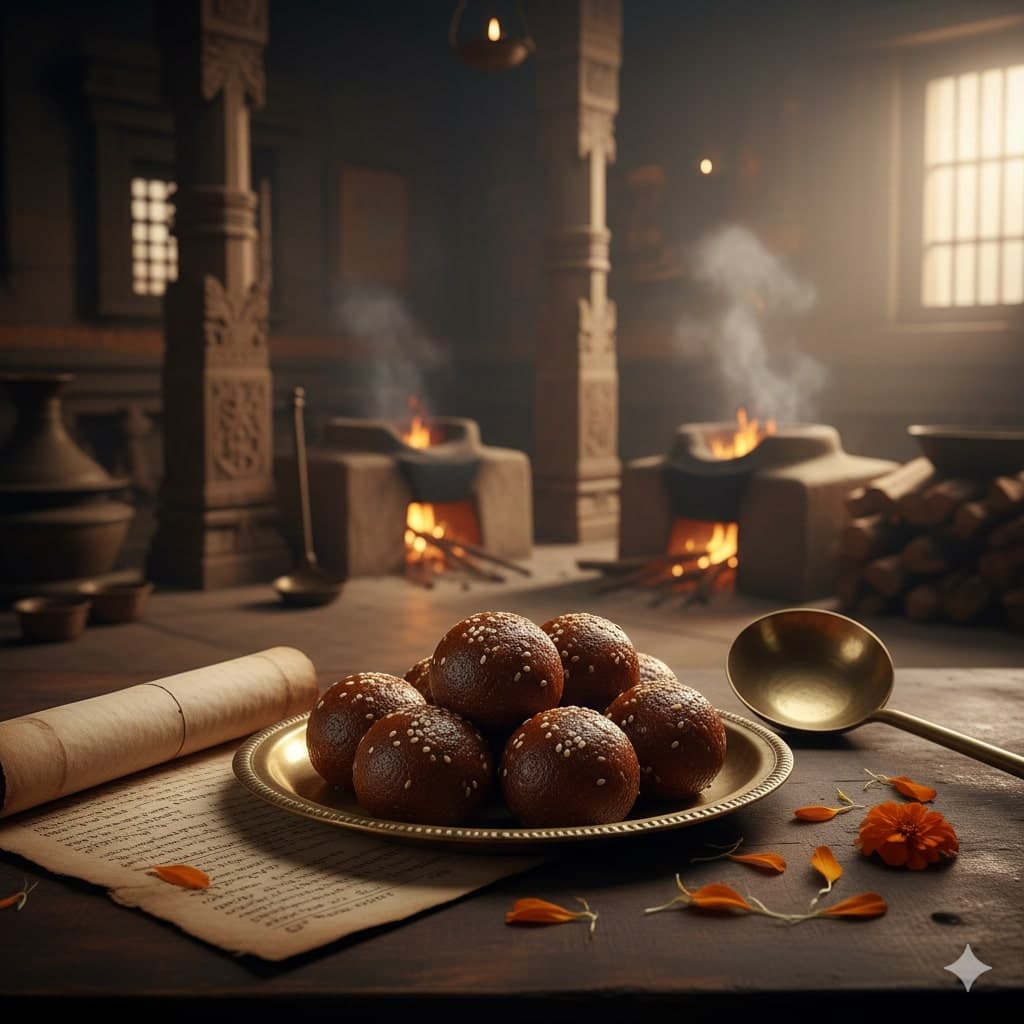
- In the low light of temple kitchens, amid the smoke of cow-dung embers and the hush of morning chants, women rolled small millet sweets into round, compact offerings that travelled—across cart tracks, through pilgrim crowds, into home altars.
- That compactness mattered.
A laddoo is an edible memory. In the low light of temple kitchens, amid the smoke of cow-dung embers and the hush of morning chants, women rolled small millet sweets into round, compact offerings that travelled—across cart tracks, through pilgrim crowds, into home altars.
That compactness mattered. Pilgrims walked long distances. Food had to be durable, nourishing, and immediately restorative. The ragi laddoo kept. It provided slow-burning energy, minerals for bone and nerve, and a sweetness that soothed a tired body without the crash of refined sugar.
We don't romanticize scarcity. We trace technique.
Stone-milling keeps the kernel whole, preserving calcium and trace minerals. Low-heat roasting deepens aroma while protecting delicate oils. Hand-rolling compresses the laddoo's structure so it resists oxidation and stays shelf-stable without preservatives. Each step is a choice that preserves nutrition and the story that carries it.
The human rhythm matters too. Temple cooks taught us not just minutes and temperatures but a rolling chant that keeps palms warm and dough even. When our women partners press a laddoo, you can almost hear the cadence of their lineage in the soft thud of dough against palm.
Why this matters today
Modern shoppers want convenience and meaning. The laddoo is both: a portable, nutrient-dense snack for today's commute and a tiny archive of village craft. Choosing a handcrafted laddoo supports seed-saving farms, small-batch milling, and women who keep culinary memory alive.
How to taste with intention
Warm a laddoo in a dry skillet for 10–15 seconds to revive aromatic oils. Sit for three breaths. Notice the toasty top note of roasted ragi, the deep caramel of palm jaggery, and a gentle lingering fat from A2 ghee. Each bite is designed to steady blood sugar and settle the mind.
If you want to explore further, our product pages link to the oral histories we recorded—short audio clips and field notes that map the laddoo's origin from temple prasadam to your teacup.
Share this wisdom
Sojal Dalvi
Founder, Sattvahar Foods
Sojal writes about satvic living, traditional grain wisdom, and the future of conscious eating. Every recipe and essay is crafted from lived experience in the Sattvahar kitchen.
Get Weekly Wellness Insights
Short essays, seasonal routines, and satvic rituals from Sojal—delivered every Sunday.