
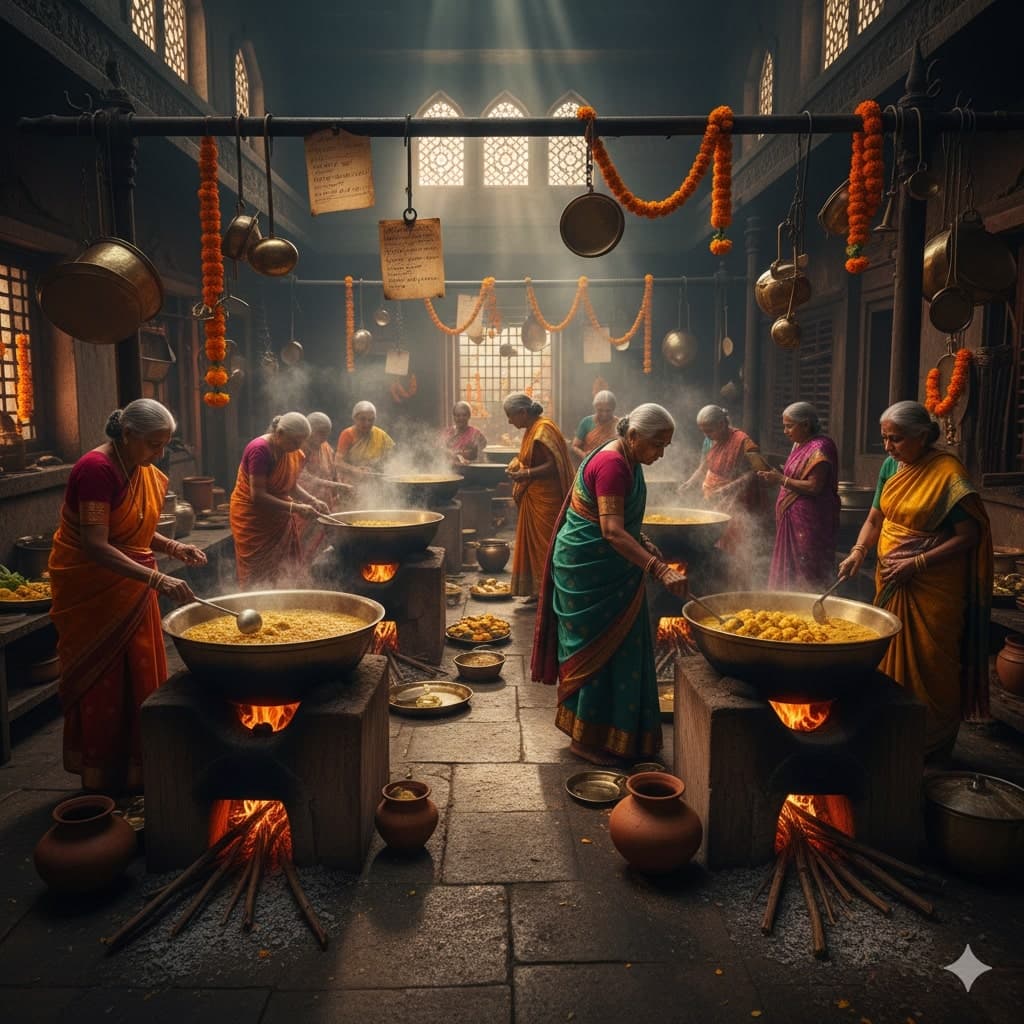
India's Traditional Grain Ecosystem: Beyond Rice and Wheat
Key highlights
- Walk into any Indian kitchen today and you'll find rice, wheat flour, maybe some quinoa if the household is "health-conscious." Walk into your great-grandmother's kitchen and you'd find ragi, jowar, bajra, foxtail millet, barnyard millet, little millet, proso millet, kodo millet, barley, amaranth, buckwheat, and more.
- What happened?
- The Green Revolution prioritized rice and wheat.
Walk into any Indian kitchen today and you'll find rice, wheat flour, maybe some quinoa if the household is "health-conscious."
Walk into your great-grandmother's kitchen and you'd find ragi, jowar, bajra, foxtail millet, barnyard millet, little millet, proso millet, kodo millet, barley, amaranth, buckwheat, and more.
What happened?
The Green Revolution prioritized rice and wheat. Government subsidies followed. Marketing made millets seem inferior. Within two generations, we forgot an entire ecosystem of grains that fed India for 5,000 years.
And now? We're paying the price in diabetes, obesity, and environmental collapse.
Why Diversity Matters
Each grain has unique properties:
- Ragi: High calcium, cooling, bone health
- Jowar: Protein-rich, cooling, anti-inflammatory
- Bajra: Iron-dense, warming, circulation support
- Foxtail millet: Low glycemic, calming, blood sugar balance
- Little millet: Magnesium-rich, digestive health
- Barnyard millet: Quick-cooking, weight management
No single grain does everything. But together, they cover every nutritional need, every season, every dosha, every body type.
The Environmental Case
Rice cultivation:
- Uses 5,000 liters of water per kilogram
- Requires heavy pesticides
- Depletes soil nutrients
- Emits methane (greenhouse gas)
Millet cultivation:
- Uses 350 liters of water per kilogram
- Grows without pesticides naturally
- Improves soil health
- Drought-resistant, climate-resilient
Choosing millets isn't just personal health. It's planetary survival.
How to Start
You don't need to abandon rice. Just reduce and rotate:
Week 1: Replace one meal with jowar roti Week 2: Try ragi porridge for breakfast Week 3: Cook bajra khichdi for dinner Week 4: Experiment with foxtail millet pulao
Make it a practice, not a project. Over time, your body adapts. You stop craving refined carbs. Energy stabilizes. Digestion improves.
The Cultural Reclamation
When you cook with millets, you're not being "healthy." You're remembering.
You're honoring farmers who kept seeds alive when governments told them to plant rice.
You're supporting biodiversity when monoculture threatens food security.
You're teaching the next generation that food can be regional, diverse, and deeply connected to soil.
This isn't nostalgia. It's necessity.
Which grain will you welcome back into your kitchen?
Share this wisdom
Sojal Dalvi
Founder, Sattvahar Foods
Sojal writes about satvic living, traditional grain wisdom, and the future of conscious eating. Every recipe and essay is crafted from lived experience in the Sattvahar kitchen.
Get Weekly Wellness Insights
Short essays, seasonal routines, and satvic rituals from Sojal—delivered every Sunday.